

The Environmental Impact of Jaw Crusher Machines in Mining: A Comprehensive Analysis
Release time:
2026-04-29
The Environmental Impact of Jaw Crusher Machines in Mining Mining has always played a critical role in driving economic growth and meeting the resource demands of our society. At the heart of these operations are various machines designed to extract and process minerals, including the jaw crusher. While jaw crushers are indispensable in breaking down large rocks and ore into manageable sizes, thei
The Environmental Impact of Jaw Crusher Machines in Mining
Mining has always played a critical role in driving economic growth and meeting the resource demands of our society. At the heart of these operations are various machines designed to extract and process minerals, including the jaw crusher. While jaw crushers are indispensable in breaking down large rocks and ore into manageable sizes, their environmental impact is significant and warrants thorough examination.
In this article, we will delve into the **environmental consequences of jaw crushers**, explore mitigation strategies, and discuss how technological advancements could pave the way for more sustainable mining practices.
Table of Contents
1. Introduction to Jaw Crushers in Mining
2. The Role and Importance of Jaw Crushers
3. Environmental Effects of Jaw Crusher Operations
3.1 Air Quality Concerns
3.2 Noise Pollution from Jaw Crushers
3.3 Impact on Land and Water Resources
4. Mitigation Strategies for Environmental Impact
4.1 Adoption of Eco-Friendly Technologies
4.2 Implementing Best Practices in Mining Operations
5. Case Studies: Successful Implementation of Sustainable Practices
6. Future Trends in Jaw Crusher Technology
7. Frequently Asked Questions (FAQs)
8. Conclusion
1. Introduction to Jaw Crushers in Mining
Jaw crushers serve as a vital tool in the mining industry, designed primarily for the crushing of rocks and ores. These machines are engineered to handle tough materials, which makes them essential for the efficiency of mining operations. However, the widespread usage of jaw crushers has raised concerns regarding their environmental footprint. Understanding these impacts is essential for promoting sustainable practices in the mining sector.
2. The Role and Importance of Jaw Crushers
Jaw crushers perform the critical function of crushing large chunks of material into smaller, manageable sizes. This process is not only vital for the efficiency of subsequent operations, such as milling, but also for maximizing the recovery of valuable minerals. The effectiveness of jaw crushers in breaking down materials is attributed to their robust construction and innovative design features.
As the demand for minerals continues to rise, the role of jaw crushers becomes even more pronounced. However, this increase in demand correlates directly with increased environmental concerns. Maintaining a balance between operational efficiency and environmental stewardship is key in today's mining landscape.
3. Environmental Effects of Jaw Crusher Operations
The operation of jaw crushers can lead to several environmental issues that impact air quality, noise levels, and land and water resources.
3.1 Air Quality Concerns
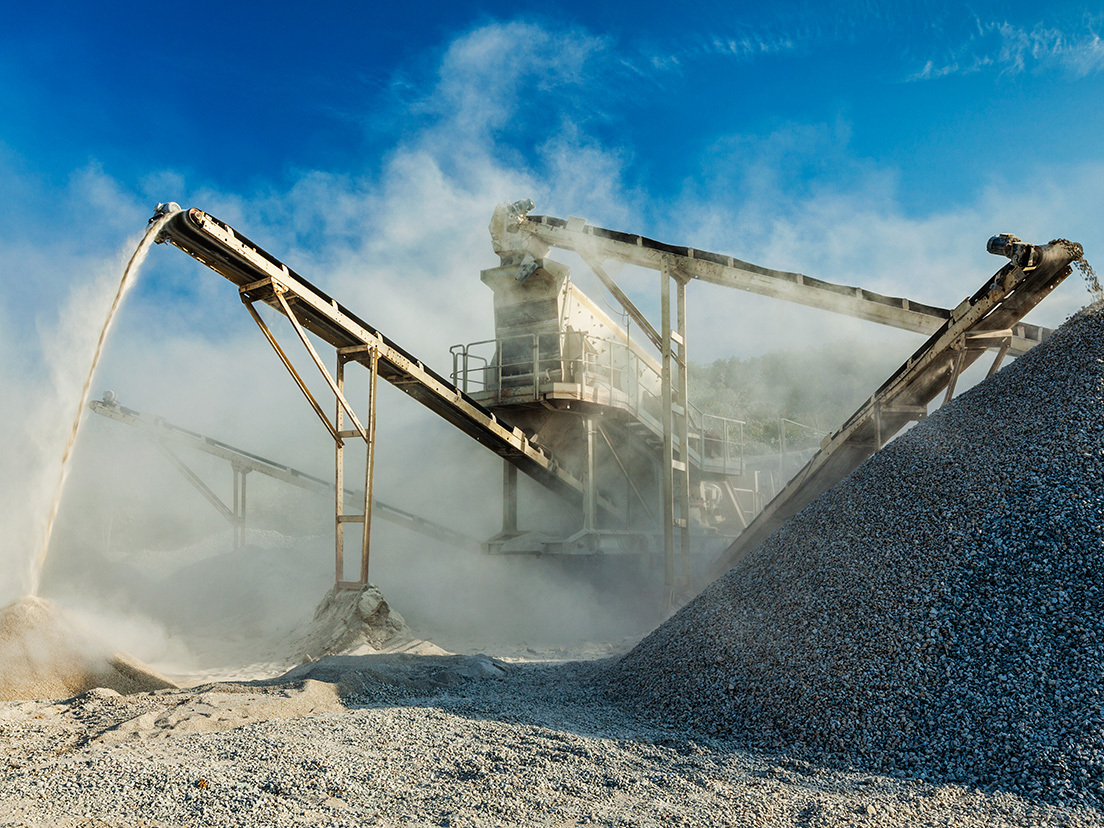
One of the primary environmental impacts of jaw crushers is the emission of dust and particulate matter. The crushing process generates significant dust, which can adversely affect air quality. Prolonged exposure to dust can lead to respiratory problems for workers and surrounding communities. Furthermore, airborne particles may settle on vegetation, disrupting local ecosystems.
3.2 Noise Pollution from Jaw Crushers
Jaw crushers are also significant sources of noise pollution. The mechanical operation of crushing rocks produces loud noises, which can disturb wildlife and affect the health and well-being of nearby populations. Continuous exposure to high noise levels can lead to hearing loss and increased stress levels for workers.
3.3 Impact on Land and Water Resources
The physical footprint of a jaw crusher can lead to significant alterations in the local landscape. Land clearing for mining operations can result in habitat destruction and soil erosion. Additionally, if not managed correctly, runoff from mining activities can contaminate local water sources, harming aquatic ecosystems and posing risks to human health.
4. Mitigation Strategies for Environmental Impact
While the environmental impacts of jaw crusher operations are profound, several strategies can help mitigate these effects.
4.1 Adoption of Eco-Friendly Technologies
Innovative technologies are being developed to minimize the environmental impact of mining operations. The implementation of **dust suppression systems** can significantly reduce airborne particles generated during the crushing process. Utilizing water sprays or dust suppressants can help keep dust levels under control, improving air quality on-site and beyond.
4.2 Implementing Best Practices in Mining Operations
Adopting best practices in mining operations is crucial for minimizing environmental impacts. This includes regular maintenance of jaw crushers to ensure they operate efficiently and reduce noise pollution. Furthermore, training workers in environmentally responsible practices can enhance awareness and promote sustainable behavior in the field.
5. Case Studies: Successful Implementation of Sustainable Practices
Several mining companies have begun to incorporate sustainable practices into their operations, showcasing effective mitigation strategies for the environmental impacts of jaw crushers. For instance, certain companies have implemented solar-powered systems to run their equipment, reducing reliance on fossil fuels and lowering greenhouse gas emissions.
Additionally, collaboration with local communities can lead to better management of resources and improved relationships, fostering a culture of stewardship and sustainability.
6. Future Trends in Jaw Crusher Technology
The future of jaw crusher technology holds promising advancements aimed at reducing environmental impacts. Innovations such as **hybrid power systems** and **AI-driven optimization** can enhance operational efficiency while minimizing emissions and waste. The integration of smart technologies allows for real-time monitoring and analysis, enabling operators to make informed decisions that benefit both productivity and the environment.
7. Frequently Asked Questions (FAQs)
**Q1: How do jaw crushers contribute to air pollution?**
A1: Jaw crushers generate dust and particulate matter during the crushing process, which can affect air quality and pose health risks to workers and nearby communities.
**Q2: What are the noise levels typically associated with jaw crushers?**
A2: Jaw crushers can produce noise levels exceeding 100 decibels, which is harmful to human health and can disturb local wildlife.
**Q3: How can mining operations reduce their environmental footprint?**
A3: Implementing dust suppression systems, maintaining equipment, and training workers in sustainable practices can significantly reduce the environmental impact.
**Q4: What role does technology play in mitigating the environmental effects of jaw crushers?**
A4: Advanced technologies, such as AI and hybrid power systems, can enhance operational efficiency and reduce emissions from jaw crushers.
**Q5: Are there regulations governing the environmental impact of mining operations?**
A5: Yes, many countries have enacted regulations that require mining companies to assess and mitigate their environmental impacts, including those from machinery like jaw crushers.
8. Conclusion
In conclusion, the environmental impact of jaw crusher machines in mining is multifaceted and significant. As the industry grapples with the challenge of balancing resource extraction with ecological responsibility, it is imperative to adopt sustainable practices and innovative technologies. By addressing air quality concerns, noise pollution, and land and water impacts, the mining sector can move towards more sustainable operations. Embracing these changes not only benefits the environment but also enhances the long-term viability of mining operations, ensuring that they can continue to meet the needs of society in a responsible manner.
Key words:
Learn more about industry dynamics
A mining machinery manufacturing enterprise that mainly produces crushing and screening machinery, integrating R & D, design, processing, manufacturing, sales and after-sales service.



Focus on crushing and screening machinery industry solutions
58 Guangshen Road, Luoxin Park, Economic and Technological Development Zone, Xin'an County, Luoyang City, Henan Province
Online message
We will contact you within one working day. Please pay attention to your phone or email.