

How a Sand Making Machine Transforms Raw Materials into Marketable Products
Release time:
2026-06-04
How a Sand Making Machine Transforms Raw Materials into Marketable Products Table of Contents Introduction to Sand Making Machines Understanding Raw Materials in Sand Production The Process of Sand Making Crushing and Screening Sand Washing Drying and Classifying Types of Sand Making Machines Vertical Shaft
How a Sand Making Machine Transforms Raw Materials into Marketable Products
Table of Contents
- Introduction to Sand Making Machines
- Understanding Raw Materials in Sand Production
- The Process of Sand Making
- Types of Sand Making Machines
- Benefits of Using Sand Making Machines
- Applications of Sand Products in Various Industries
- Maintenance and Optimization of Sand Making Machines
- FAQs about Sand Making Machines
- Conclusion
Introduction to Sand Making Machines
Sand making machines are vital in the manufacturing sector for transforming various raw materials into usable sand products. These machines utilize advanced technology to ensure efficient production, delivering high-quality materials suitable for construction, landscaping, and other industrial applications. The evolution of sand making machines has led to improved processes that meet the increasing demand for high-performance sand in today’s competitive market.
Understanding Raw Materials in Sand Production
In the sand production process, **raw materials** are critical components influencing the final product's quality. Typically, these materials include:
- **Granite**: A hard, durable rock that provides excellent texture and longevity to final sand products.
- **Limestone**: Often used for its availability and cost-effectiveness, limestone sand is widely utilized in the construction industry.
- **River Sand**: Naturally occurring sand that offers good workability and is often preferred for concrete production.
- **Manufactured Sand (M-Sand)**: Created using rocks and stones, M-sand is a sustainable alternative to river sand, lessening environmental impact.
Understanding the characteristics of these raw materials allows manufacturers to adapt their processes, ensuring that the final sand product meets specific requirements for strength, size, and purity.
The Process of Sand Making
The transformation of raw materials into marketable sand involves several stages. Each stage is crucial in ensuring the efficiency and quality of the end product.
Crushing and Screening
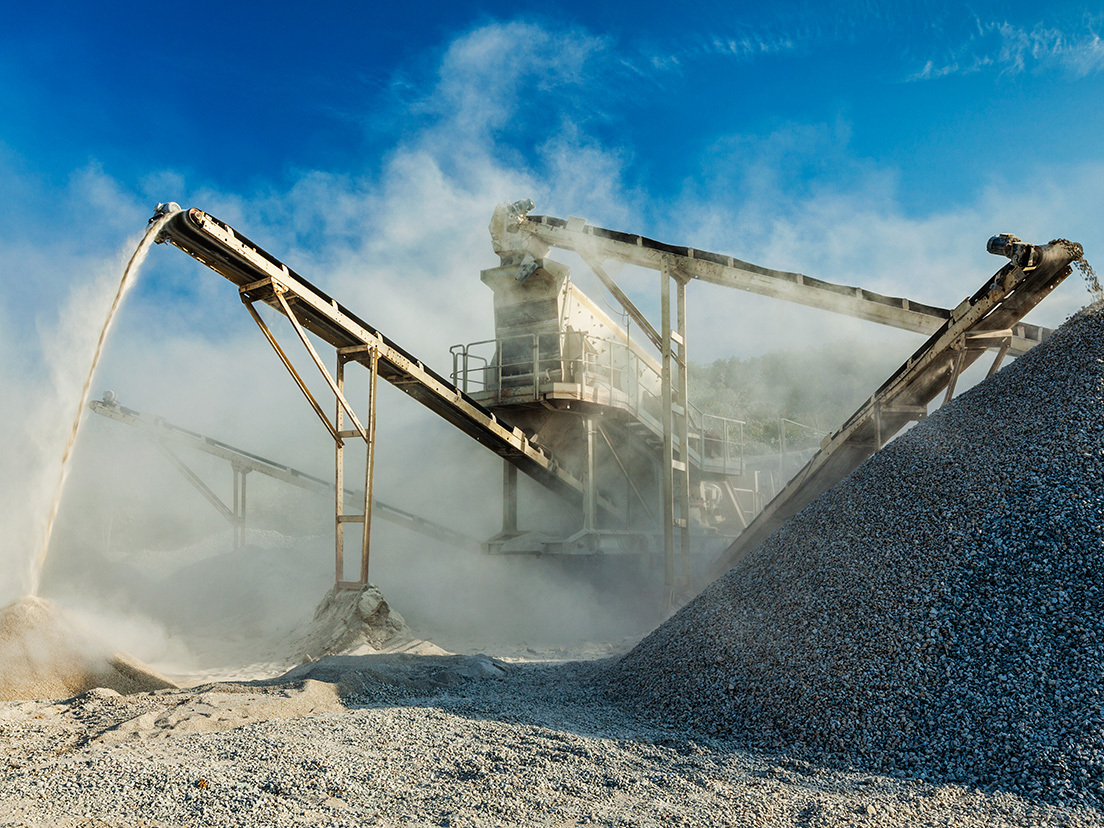
The first step in sand production is **crushing**. Raw materials are fed into crushers, where they undergo mechanical breakdown. The crushed material is then screened to ensure that only particles of the desired size proceed to the next stage. This process is essential for creating consistent sand quality.
Common types of equipment used in this stage include:
- **Jaw Crushers**: Designed for primary crushing, effectively breaking down large rocks into manageable sizes.
- **Impact Crushers**: Utilized for secondary crushing, providing finer particles with angular edges.
Sand Washing
After crushing, the material often contains impurities such as clay, silt, and dust. **Sand washing** removes these contaminants, enhancing the quality of the final product. This is achieved using washing machines equipped with water jets to separate unwanted particles from the sand.
Drying and Classifying
Finally, the washed sand undergoes **drying** to eliminate moisture content, which is crucial for preventing clumping during storage and transportation. Once dried, the sand is classified using sieves to ensure uniformity in particle size, which is crucial for various applications.
Types of Sand Making Machines
Different types of sand making machines cater to specific production needs. Understanding these types allows companies to choose the right equipment for their operations.
Vertical Shaft Impact Crushers (VSIs)
VSIs are popular for their ability to create high-quality sand from a variety of materials. They utilize a high-speed rotor that throws the material against an anvil, resulting in finely crushed sand. The versatility of VSIs makes them suitable for producing sand for concrete, asphalt, and other construction materials.
Hammer Crushers
These machines use hammers mounted on a spinning rotor to crush materials into smaller pieces. Hammer crushers are efficient for processing softer materials and can produce a consistent sand product.
Cone Crushers
Cone crushers are primarily used for secondary and tertiary crushing. They provide a more controlled reduction of material, resulting in a high-quality sand product with fewer fines, making them ideal for applications that require uniform gradation.
Benefits of Using Sand Making Machines
Investing in sand making machines offers numerous benefits:
- **Efficiency**: Automated processes reduce manual labor and increase production rates.
- **Quality Control**: Advanced machinery enables precise control over the size and quality of sand produced.
- **Cost-Effectiveness**: By utilizing raw materials more efficiently, businesses can reduce waste and increase profitability.
- **Environmental Sustainability**: The use of manufactured sand can minimize the environmental impact of sand extraction from riverbeds and other natural sources.
Applications of Sand Products in Various Industries
The sand produced by sand making machines finds applications in numerous industries:
- **Construction**: Sand is a critical ingredient in concrete, mortar, and asphalt mixes.
- **Landscaping**: High-quality sand is used for aesthetic purposes in gardens, parks, and recreational areas.
- **Manufacturing**: Sand is essential in producing glass, ceramics, and other materials.
- **Foundry**: Specially prepared sand is used in metal casting processes.
Each application demands specific sand characteristics, emphasizing the importance of quality control during production.
Maintenance and Optimization of Sand Making Machines
To ensure optimal performance and longevity of sand making machines, regular maintenance is essential. Key practices include:
- **Routine Inspections**: Regularly checking for wear and tear on components helps prevent unexpected breakdowns.
- **Lubrication**: Proper lubrication of moving parts reduces friction and enhances machine efficiency.
- **Calibration**: Regularly calibrating machines ensures that they operate at peak performance, producing consistent product quality.
Investing in a maintenance schedule not only prolongs the life of the equipment but also enhances the overall efficiency of the production process.
FAQs about Sand Making Machines
1. What are the primary functions of a sand making machine?
The primary functions include crushing raw materials, washing the sand to remove impurities, and classifying the sand by size.
2. How does a sand making machine improve product quality?
By employing precise crushing and washing techniques, sand making machines produce uniform and high-quality sand that meets industry standards.
3. What raw materials can be processed by sand making machines?
Common raw materials include granite, limestone, river sand, and manufactured sand.
4. How do I choose the right sand making machine for my needs?
Consider factors such as the type of raw materials, the required sand quality, and the production capacity when selecting a machine.
5. What is the difference between natural sand and manufactured sand?
Natural sand is sourced from rivers and lakes, while manufactured sand is produced by crushing rocks and stones. M-sand often has a more consistent granule size and shape.
Conclusion
In conclusion, sand making machines play an integral role in transforming raw materials into high-quality, marketable sand products. Understanding the process, types of machinery, and applications helps manufacturers make informed decisions that enhance production efficiency and product quality. Investing in the right equipment and maintaining it properly can significantly impact the success of operations in various industries. By leveraging the advanced technology of sand making machines, businesses can meet market demands while contributing to sustainable practices in resource management.
Key words:
Learn more about industry dynamics
A mining machinery manufacturing enterprise that mainly produces crushing and screening machinery, integrating R & D, design, processing, manufacturing, sales and after-sales service.



Focus on crushing and screening machinery industry solutions
58 Guangshen Road, Luoxin Park, Economic and Technological Development Zone, Xin'an County, Luoyang City, Henan Province
Online message
We will contact you within one working day. Please pay attention to your phone or email.